
Colors That Didn’t Belong
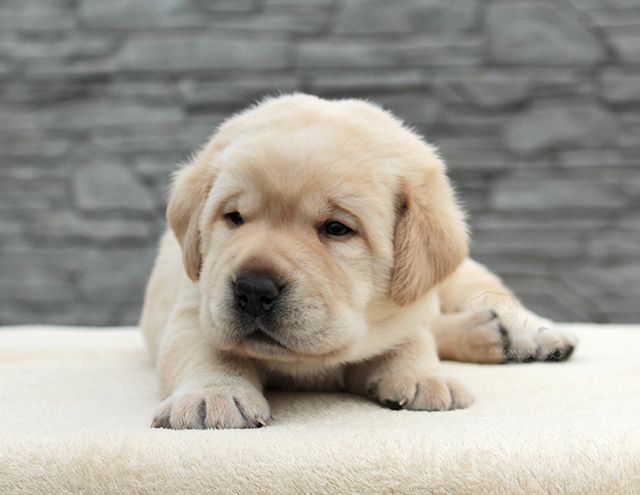
With the immediate threat resolved, attention shifted to the sprawling, vibrant tapestry of the newborns. Most conformed to the German Shepherd standard: jet black, classic sable, rich bi-color. But one, a shimmering, almost platinum gold, instantly arrested everyone’s gaze. Dr. Thorne knitted his brow; that recessive shade was virtually non-existent in purebred German Shepherds without significant genetic anomaly.
A Departure From Standard
German Shepherds are defined by their strength, their deep chests, and their powerful, angled gait. Their coats are rugged, their ears pointed, and their tails typically a gentle, downward curve. Thorne had memorized every standard marker, which made the two twins—Vanguard and Spectra—stand out with shocking clarity. They were too stout, their tails curled up sharply, and they possessed the strange webbed paws of a retrieving breed.

Unanswered Questions Mount
For a fleeting few days, quiet contentment settled over Robert’s home. The dozen pups flourished, their small bodies round, their high-pitched yelps a continuous melody. Yet, Thorne’s clinical intuition refused to rest. The discovery of identical twins was astounding, but he felt a profound, destabilizing sense that the narrative was incomplete.
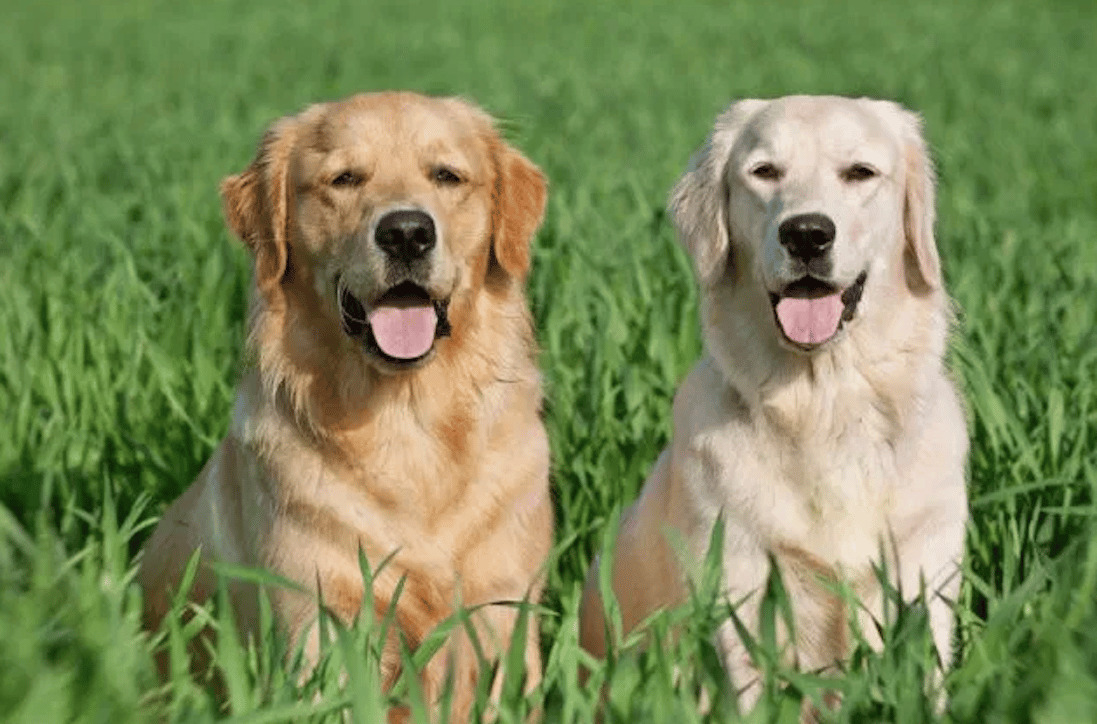
It was Robert who first observed the strange phenomenon. Vanguard and Spectra began to hyper-develop, their muscle tone and motor skills surging far ahead of the others. Thorne scheduled another urgent visit, meticulously measuring every pup. The disparity was not subjective; it was an undeniable, objective truth. This was no typical litter, and the mounting questions threatened to overwhelm the initial relief.
Mapping the Anomalies
One Friday, the doctor convened a focused meeting with his senior research colleagues, spreading out every piece of evidence from Luna’s impossible litter. He detailed the mismatched phenotypes, the strangely curled tails, the explosive growth rate of two pups, and the astonishing, documented fact of identical twins. Charts and case notes covered the table, theories colliding in a rush of scientific jargon.

Some proposed a toxic exposure, others argued for an ancient, suppressed genetic throw-back, but no single hypothesis could account for the complete set of facts. The platinum coat, the dual growth curve, the fetching-dog anatomy, the miracle twins. The variables were too numerous. Finally, Thorne realized the only path forward: Every single pup, not just the anomalies, needed comprehensive DNA sequencing. The answers had to be inscribed in their shared genetic code.
The Swab Collection
Armed with sterile cotton swabs, Thorne returned to Robert’s house, kneeling beside the overflowing whelping box. One by one, he gently opened tiny muzzles and collected cheek tissue. Each squirming body represented a crucial digit—12 pieces of a single, extraordinary puzzle.

Robert watched, a knot of worry and intense curiosity tightening in his chest. The puppies trusted Thorne, their small tails doing the weak, obligatory wag of contentment. Once the final sample was sealed and labeled, Thorne packed them for the laboratory. The physical task was minor, but the intellectual weight behind the samples was monumental. The age of guesswork was over. The absolute truth was coming.
The Seismic Revelation
When the thick lab envelope landed on Thorne’s desk, he opened it with cautious, professional distance. He was prepared for unusual markers, perhaps a rare mutation. What he read caused him to stop breathing completely. Luna’s 12 puppies were not sired by a single male.

The clinical term—superfecundation—blared in his mind: conception by two distinct sires during the same estrous cycle. Robert nearly dropped his cell phone when Thorne delivered the news. The universe of mysteries instantly snapped into sharp focus. The non-standard colors, the split growth pattern, the physical traits that had no place in a German Shepherd lineage. This was not a genetic anomaly. It was a once-in-a-career biological event.
Top Articles