
The heavy oak doors of Courtroom 4C swung open with a rhythmic thud, cutting through the sterile silence of the morning session. Twelve-year-old Leo sat hunched at the defense table, his fingers tracing the frayed edges of a worn-out comic book he had used as a shield for years.
Beside him, his court-appointed attorney, Sarah Vance, adjusted her glasses, her heart sinking as the prosecutor painted a picture of a “delinquent in the making.”
To the state, Leo was a menace. The report was simple: Leo had shoved the school’s star athlete, Braxton, through a glass trophy case. Braxton’s parents, influential and wealthy, sat in the front row, demanding the maximum sentence for the “unprovoked assault.”

Judge Halloway, a woman known for her “no-nonsense” reputation, raised her gavel to quiet the rising murmurs. But the murmurs didn’t stop—they turned into a low, metallic rumble that seemed to vibrate the floorboards.
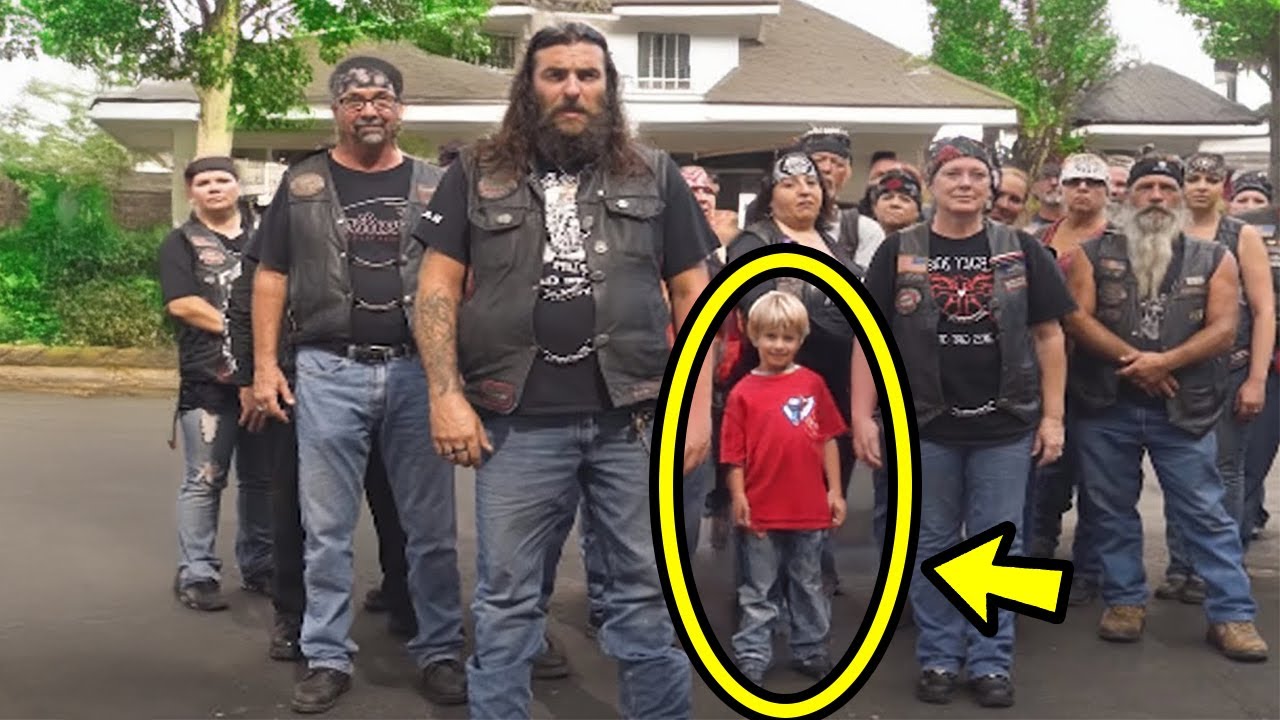
The back doors didn’t just open; they were held wide as a group of towering, leather-vested men filed into the gallery. They were the “Silver Shields”, a brotherhood of veteran motorcyclists known for their grizzly appearances and deafening Harleys. At the front was “Mac,” a man with a silver beard reaching his chest and eyes like flint.
“What is the meaning of this theater?” Judge Halloway snapped, her eyes narrowing at the intruders. Mac didn’t flinch. He stepped toward the bar, removing his helmet. “We aren’t here for theater, Your Honor. We’re here to provide the evidence the school ‘lost.'”
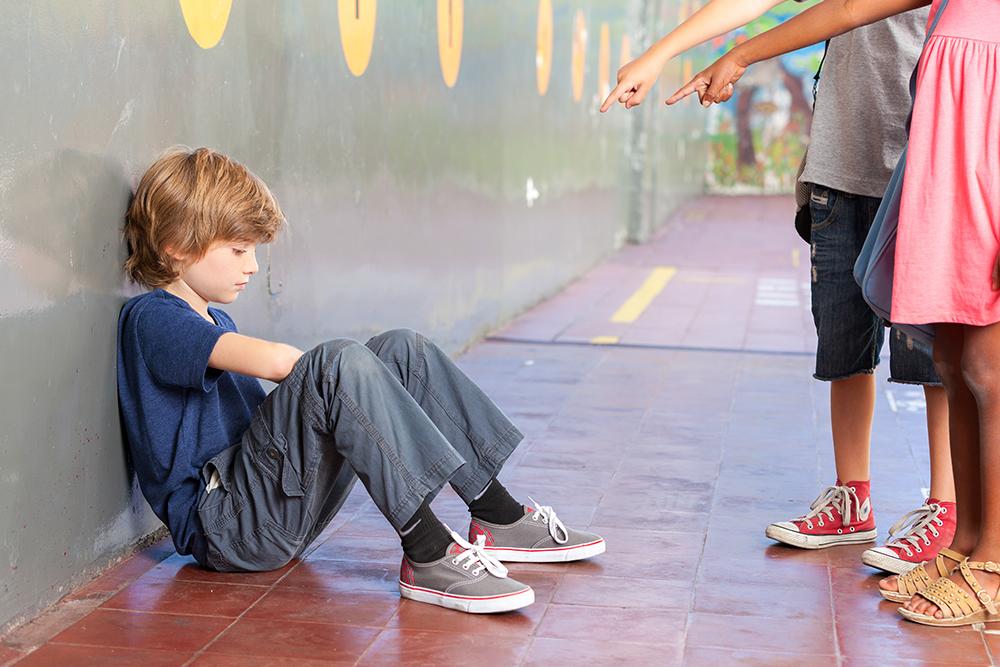
For months, Leo had been a ghost in his own school. He was the kid from the trailer park, the one with the thrift-store clothes and the talent for ink-and-pen illustrations. Sarah Vance knew the truth: Braxton hadn’t been a victim; he had been a predator. He had systematically dismantled Leo’s life, mocking his poverty and destroying his art.
The school administration, eager to keep their star athlete on the field, had turned a blind eye. They labeled Leo “difficult” and ignored his pleas for help. The prosecutor sneered. “And I suppose a group of bikers are now experts on school safety?”
“No,” Mac rumbled, his voice filling the room. “But we are experts on protecting those who can’t protect themselves. We aren’t just a club; we’re a community watch.”
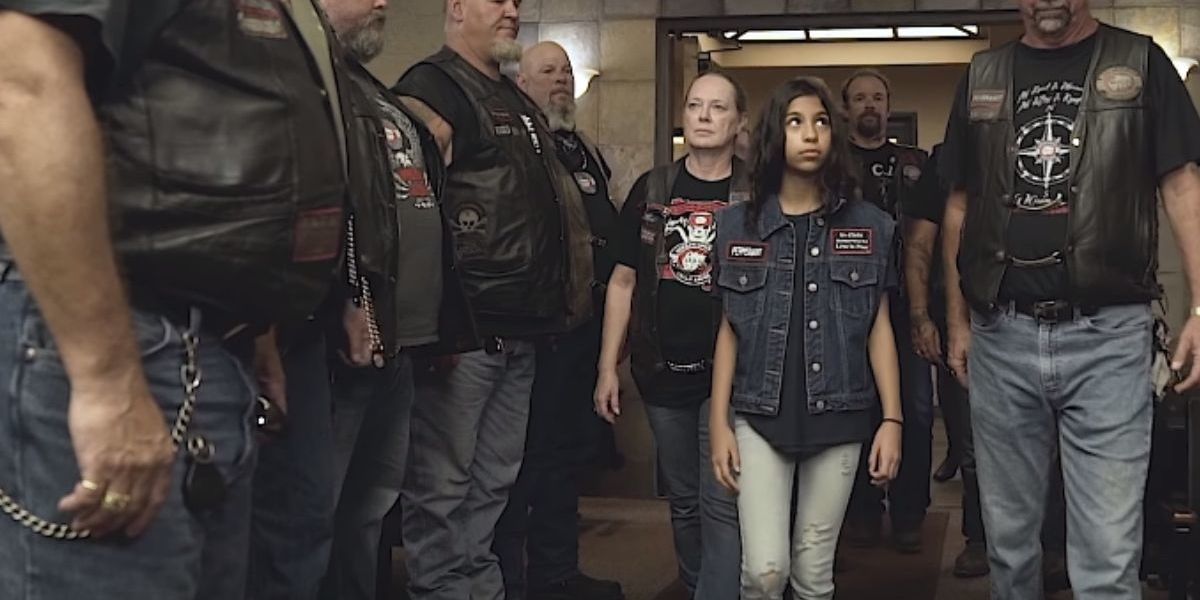
Sarah called her star witness: a quiet, trembling sixth-grader named Maya. Maya was the daughter of one of the Silver Shields. She testified that she had watched Braxton trap Leo in the hallway, mocking the boy’s deceased father and shredding a portfolio of drawings Leo had spent a year creating.
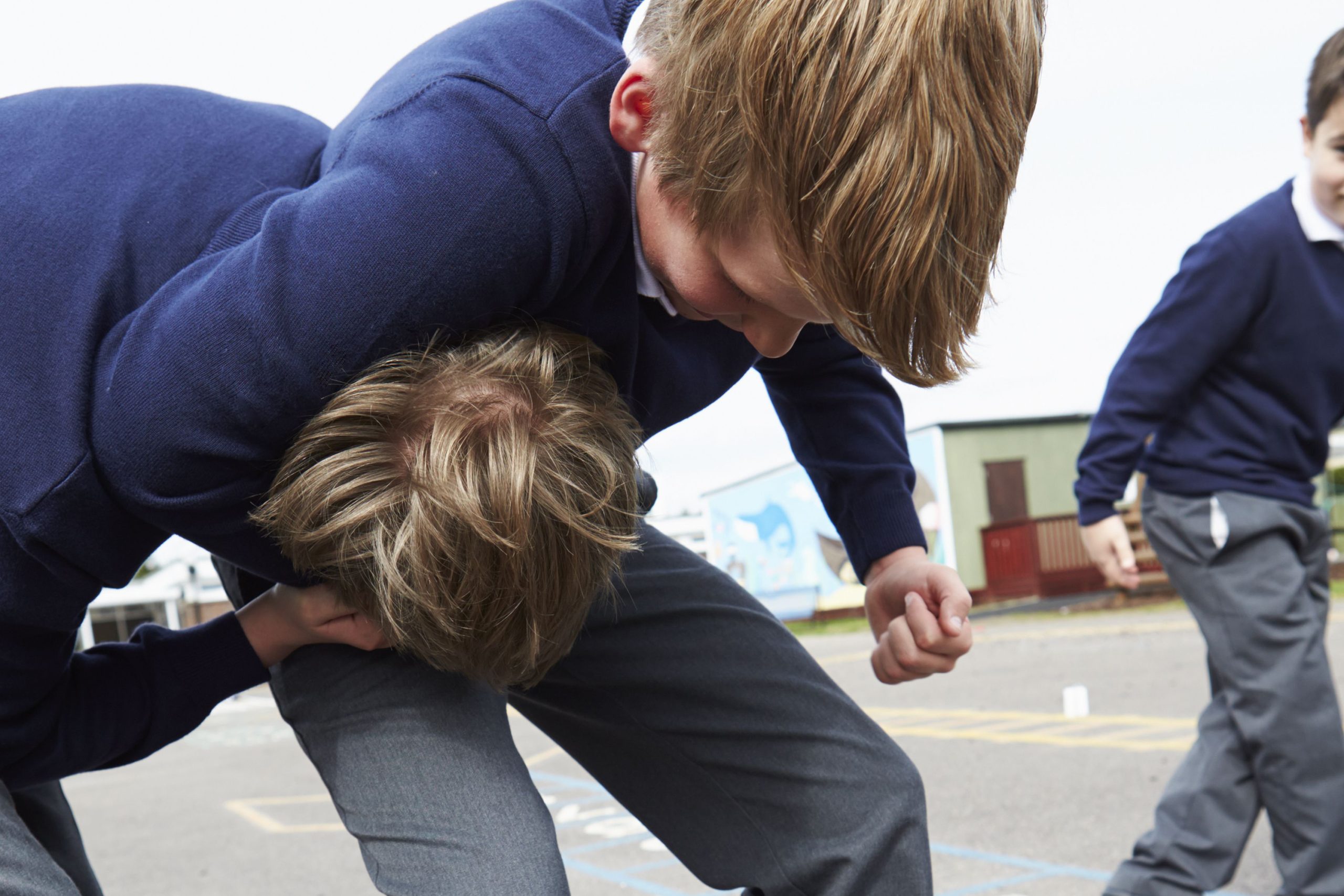
“Leo didn’t attack him,” Maya whispered, her voice gaining strength. “He was trying to get away. Braxton tripped him, and when Leo pushed back to get up, Braxton fell into the glass. It wasn’t a fight. It was a getaway.”
Then, Mac stepped forward and handed Sarah a digital tablet. On it was a doorbell camera video from a house across from the school playground, captured weeks prior. It showed Braxton and his friends cornering Leo, dumping a bucket of dirty water over him while a teacher walked by and did absolutely nothing.
Mac looked directly at the principal, who was sitting in the back row. “I sat in your office three times, Mr. Sterling. I told you the boy was at a breaking point. You told me to mind my own business.”
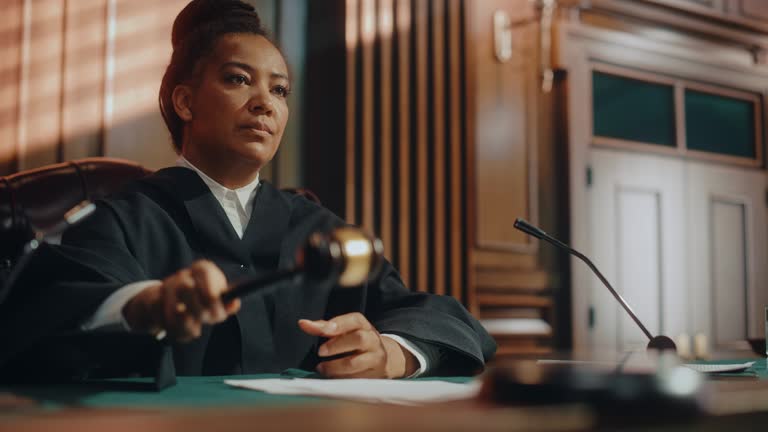
The judge’s face shifted from sternness to cold fury. She looked at the video, then at the shredded remains of Leo’s art that Mac had recovered from a dumpster.
“This court is not a tool for bullies to hide behind,” Judge Halloway declared, slamming her gavel with a sound like a gunshot. “Charges dismissed. Furthermore, I am initiating a formal investigation into the school’s failure to report these incidents. Mr. Sterling, I suggest you find a very good lawyer.”
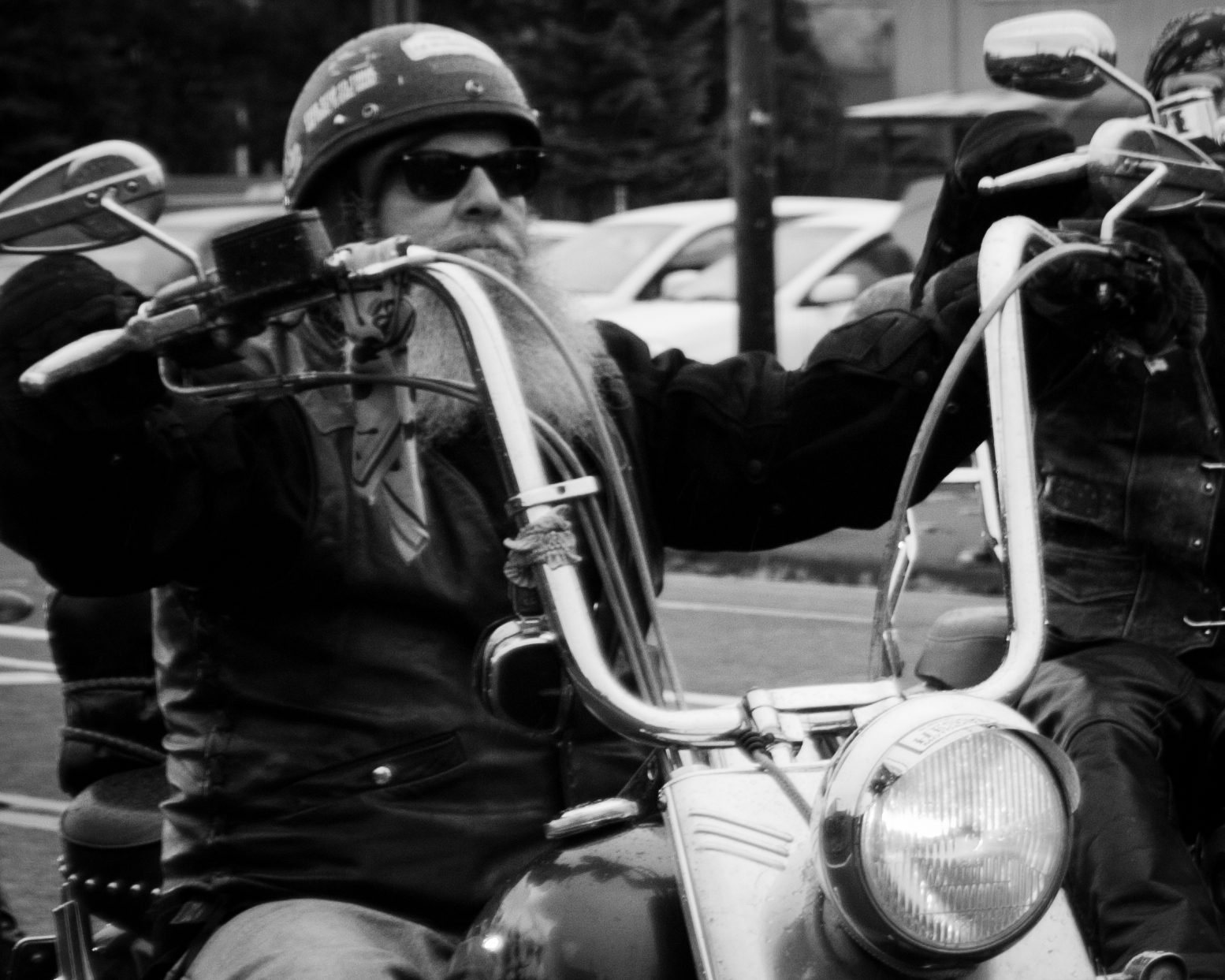
The tension broke instantly. Leo’s mother sobbed as she pulled him into her arms. Leo, however, looked past the lawyers and the judge. He looked at Mac. The massive biker gave the boy a firm, silent nod—a promise that he would never have to walk the school hallways alone again.
As the Silver Shields filed out, the roar of their engines outside wasn’t a sign of trouble; it was a victory lap for a kid who had finally been heard.
Top Articles