
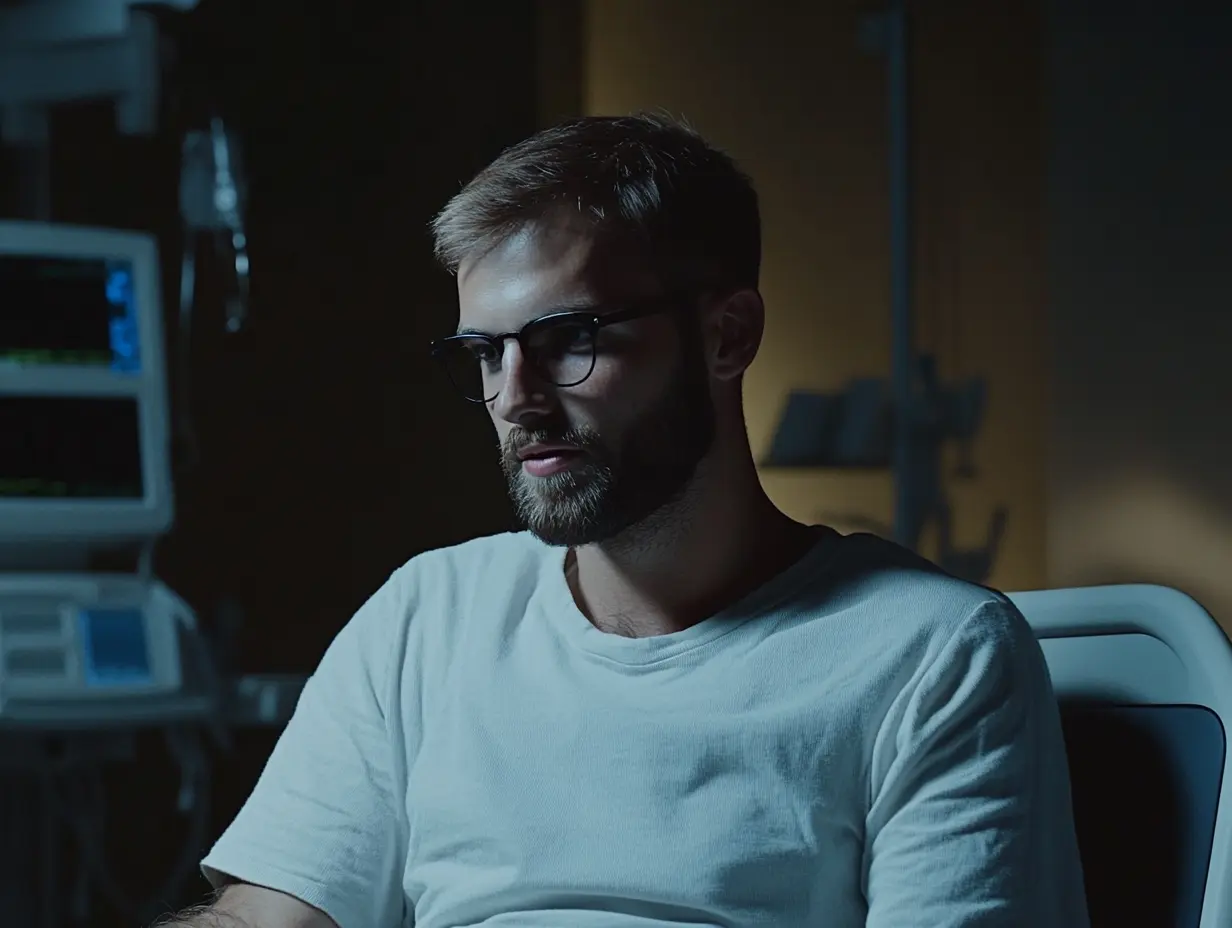
She painted small things — oranges, hands, the park outside her window — fragments of the life she wanted to return to. Evan would hang them near her bed, though lately, his eyes lingered more on his phone than her work.
The hospital became her second home — its soft beeps, antiseptic smell, and endless white corridors as familiar as her own apartment. Evan was still there, her constant through the blur. But even constants begin to crack under pressure.
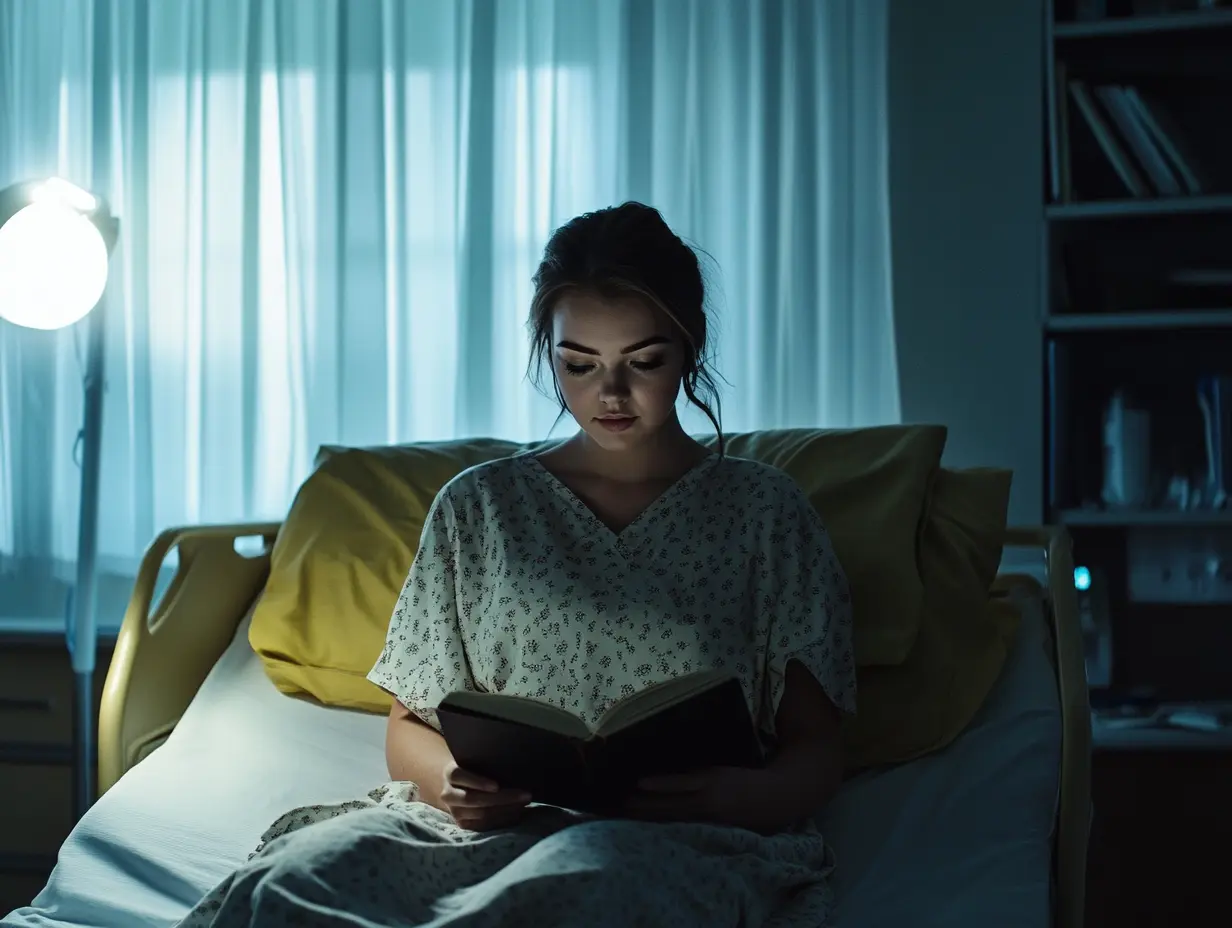
He brought her books she never finished, flowers she couldn’t smell, and stories from the outside world that made her smile. Some nights, when she was too nauseous to sleep, he’d read softly until her breathing evened out.
When she apologized for how tired he looked, he’d squeeze her hand and say, “Don’t be silly. I’m exactly where I should be.” But money crept into their conversations like a third presence — quiet at first, then impossible to ignore. “The landlord called again,” he said one morning, his tone too calm. “Just a mix-up, I’ll handle it.”

“How bad is it?” she asked. “Not bad,” he said, and smiled, but she saw his fingers tighten around the coffee cup. Her hair began to fall out slowly, strands caught between her fingers or left on the pillow in the mornings.
She’d brush it away before he came in, but he noticed anyway. One evening, she caught her reflection in the window — pale, fragile, her scalp showing through uneven tufts. The sight made her throat tighten. Evan appeared behind her then, setting down a cup of tea, and saw what she saw.
Top Articles