
After being hunted to extinction in the 16th century, beavers are making a remarkable comeback in the English countryside. A groundbreaking rewilding project in Dorset has proven to be a resounding success, with newly released beavers transforming the local landscape and forging unexpected friendships.
A Century-Old Return
For the first time in over 400 years, the Eurasian beaver is once again thriving in the Dorset wild. Last year, a dedicated conservation project released four beavers into a carefully selected habitat. The goal was to see if these “ecosystem engineers” could successfully re-establish themselves and improve the local environment—and the results have exceeded expectations.
An Unlikely Friendship
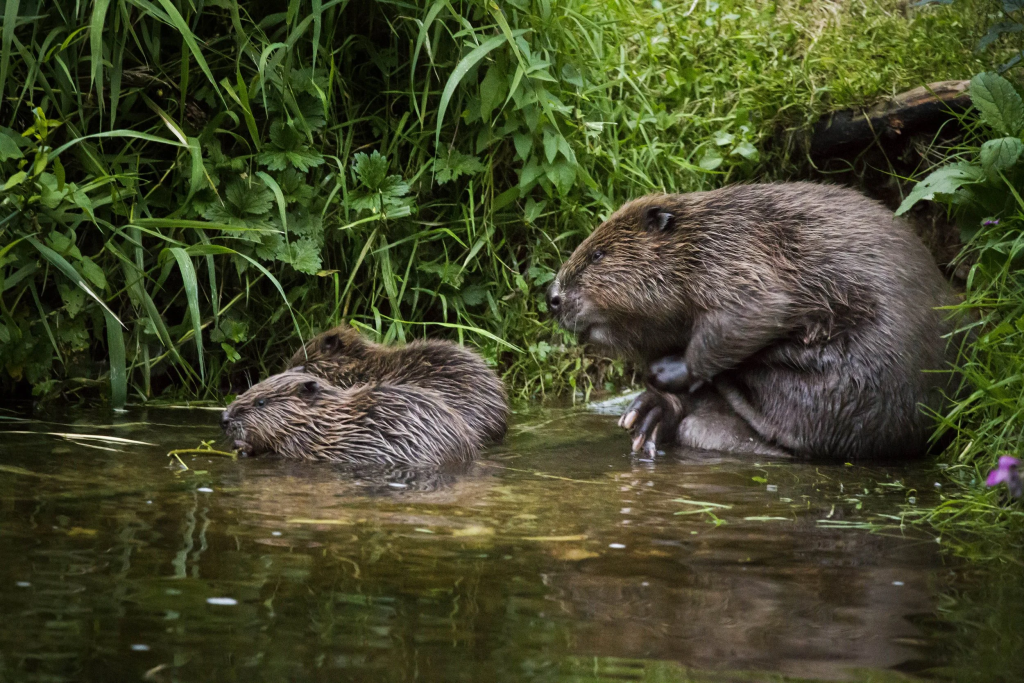
One of the most heartwarming moments caught on trail cameras during the project was the sight of a beaver playing with a local otter. This interspecies interaction has surprised and delighted conservationists, serving as a powerful visual indicator of a healthy and harmonious ecosystem where native species can coexist and interact in the wild.
Nature’s Master Builders
In the short time since their release, the beavers have already demonstrated their incredible engineering skills. They have constructed an impressive 35-meter dam, which has significantly altered the local water flow. This structure acts as a natural filter and creates new wetland habitats, providing a “new lease of life” for a variety of other plants and animals in the area.
Rewilding for the Future
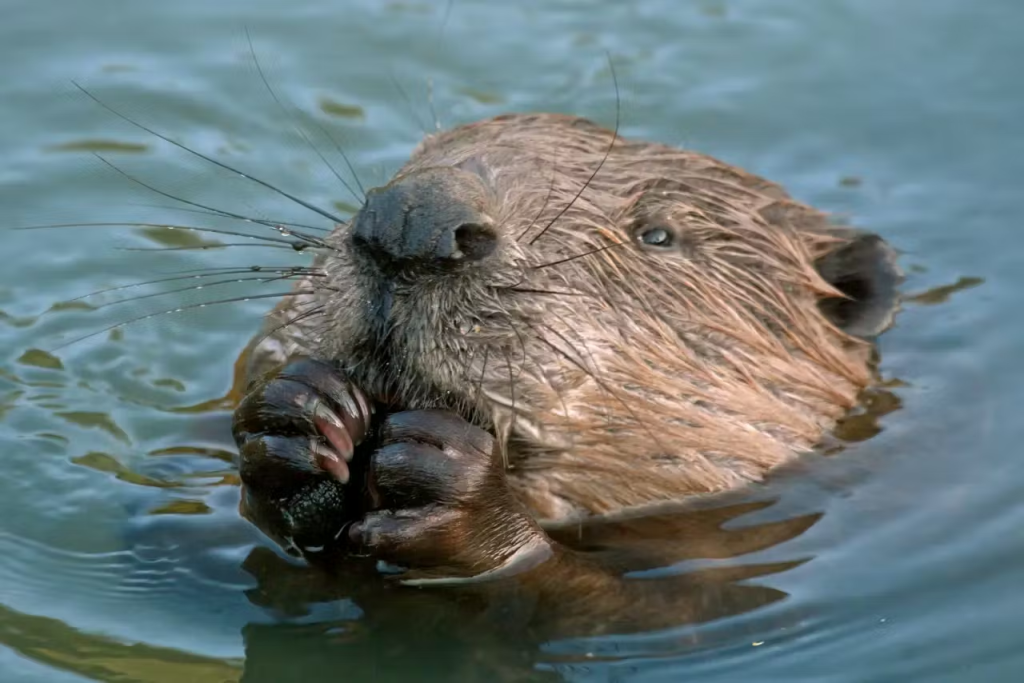
The success of the Dorset project is seen as a major win for the broader rewilding movement in the UK. By reintroducing keystone species like the beaver, conservationists are finding that nature can often heal itself far more effectively than human intervention alone. These animals play a crucial role in flood prevention, water purification, and biodiversity boost.
Just the Beginning
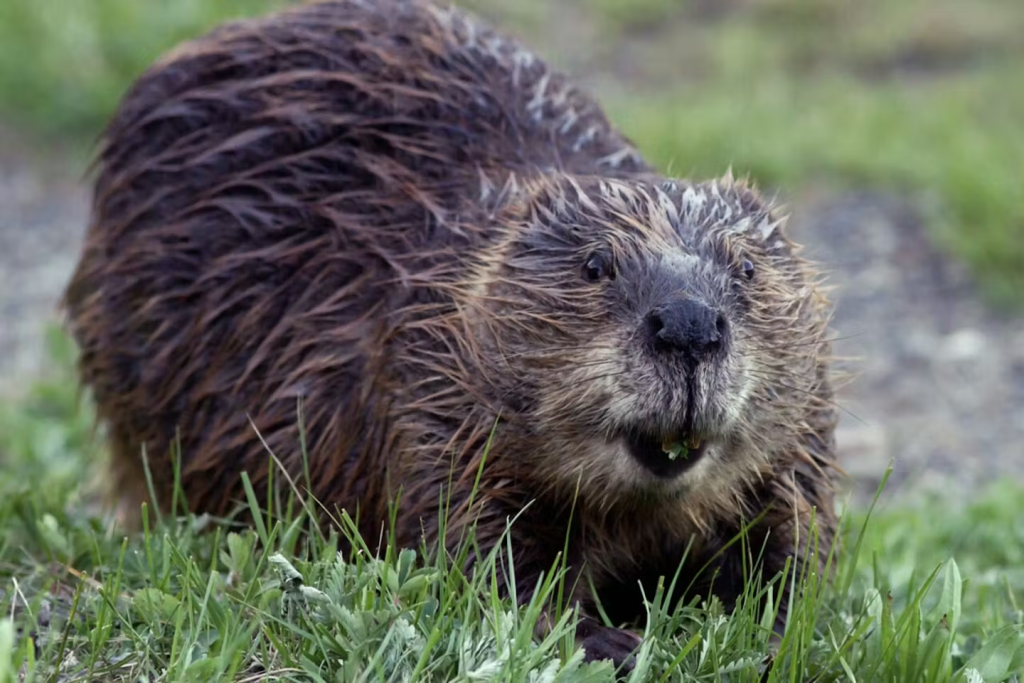
While the Dorset beavers are a clear success story, conservationists hope this is only the first step. The data gathered from this project will be used to support further reintroductions across England. The sight of these semi-aquatic rodents reclaiming their ancestral home offers a glimmer of hope for the future of British wildlife and the restoration of lost natural landscapes.
Top Articles