

The tension snapped one Tuesday morning. A burner phone—one Julian didn’t know existed—buzzed on the granite counter. Sarah’s face transformed instantly. The warmth she faked for Julian vanished, replaced by a mask of sharp, jagged anxiety.
“I told you not to call this line,” she hissed into the receiver, her voice a low, jagged rasp.
Julian sat three feet away, his cane resting against his knee, his eyes fixed on a point on the wall. He caught fragments: “The account is nearly dry,” and “He doesn’t suspect a thing, he’s a vegetable.”
The word vegetable burned. When she hung up, her eyes swept over Julian’s face, searching for a flinch, a blink, anything. He held his gaze steady, a master of his own internal storm. Sarah grabbed her keys and bolted out the door without a word of goodbye.
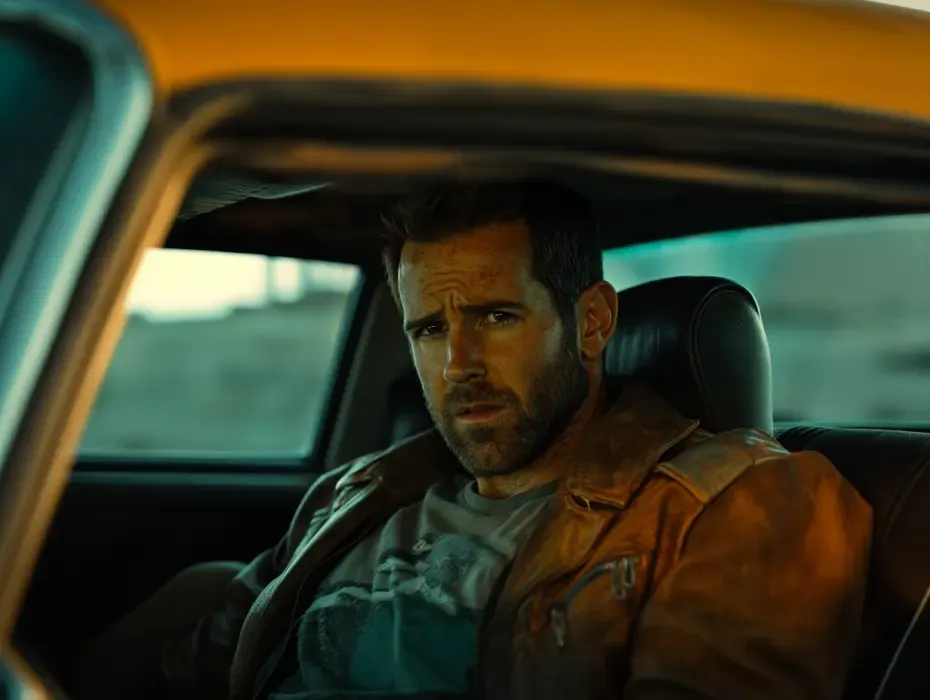
Julian didn’t hesitate. He discarded his cane, grabbed a dark jacket, and slipped out the back. He trailed her through the city, moving with a predatory focus he didn’t know he possessed.
He tracked her to a derelict industrial park on the edge of town. Hidden behind a rusted shipping container, Julian watched as Sarah met a man in a charcoal suit. There was no embrace, only a cold exchange. Sarah handed over a thick manila envelope—it looked like legal documents and a stack of cash.
The man spoke, his voice carrying on the wind: “If he finds out before the signatures are forged, we’re both dead.”
Sarah didn’t cry. She nodded, her face set in stone. As she turned to leave, Julian felt the world tilt. The woman he had relied on for his very survival was orchestrating his erasure.
Top Articles