
The Weight of an Empty Chair
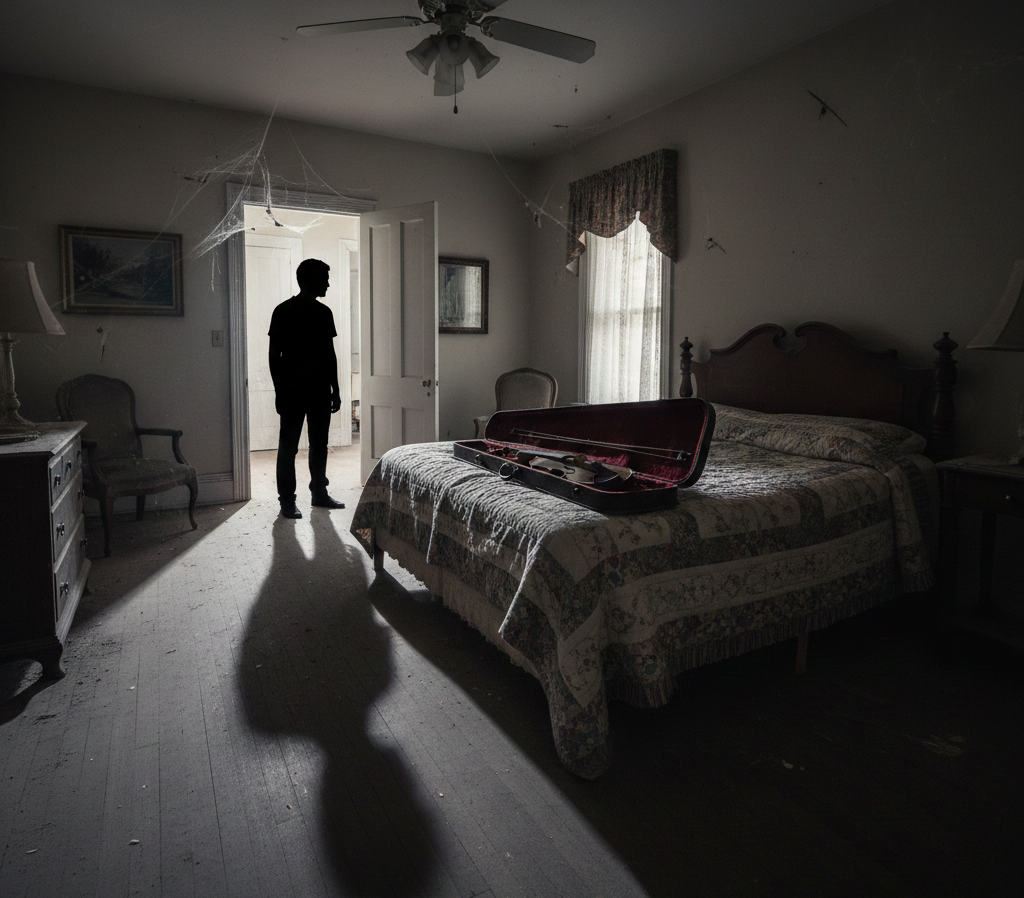
The Bennett household on Elm Street was a place of preserved silence. It had been exactly six months since the screech of tires and the shatter of glass had rewritten the lives of Mary and Peter. Their son, Michael—a boy of eighteen with a scholarship to Juilliard and a smile that could light up the gloomiest hallway—was gone.
His bedroom remained a time capsule: sheet music scattered on the desk, a half-finished bottle of soda, and the lingering scent of cedar and laundry detergent. For Mary and Peter, the silence of the house was a physical weight, one that pressed against their chests until they could barely breathe. To cope, they turned their grief into a clockwork routine
The Sacred Ritual
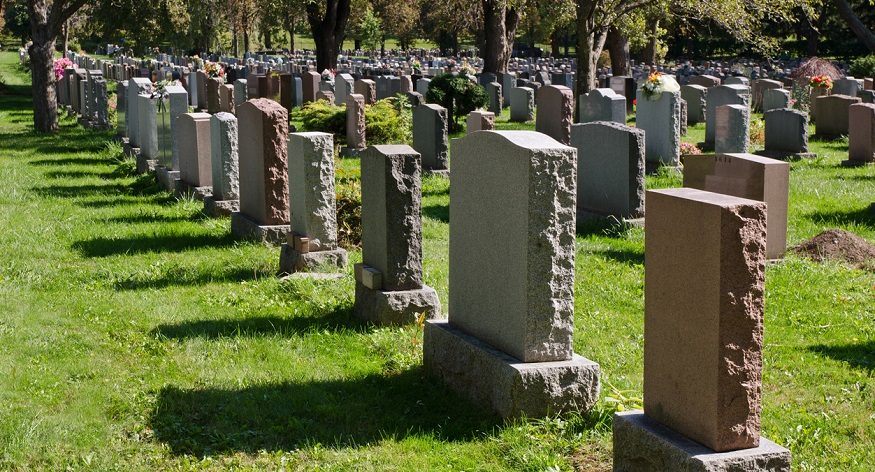
Every morning, precisely at 9:00 AM, the couple arrived at Oakwood Garden Cemetery. It was a sprawling, historic place where the oak trees acted as giant, leafy umbrellas. Michael’s plot was situated on a gentle slope, overlooking a small, lily-choked pond.
They didn’t just visit; they worked. Peter brought a small shears to trim the grass around the base of the headstone, while Mary used a soft microfiber cloth to buff the granite until it shone like a mirror. They talked to him about the mundane details of their lives—the neighbor’s new dog, the price of groceries, the weather. It was the only way to feel like they were still parents.
The First Crimson Petal
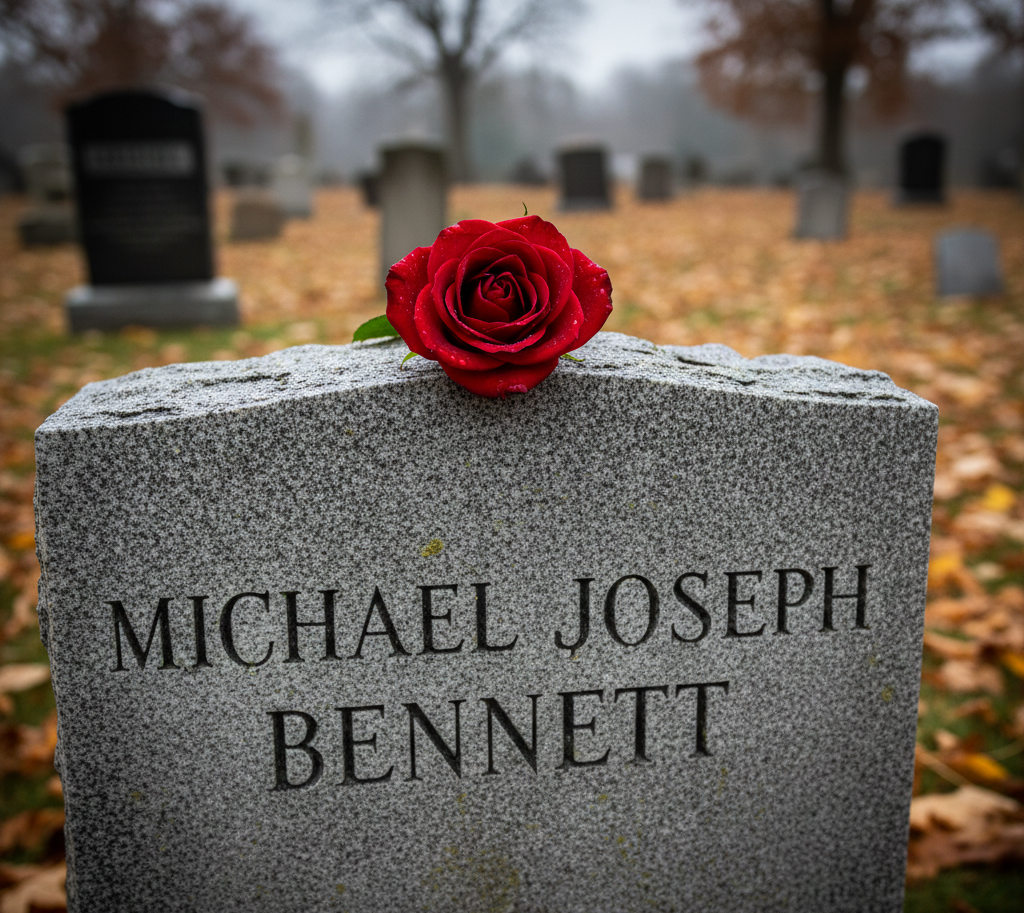
The mystery began on a Tuesday in late October. The morning was crisp, and a light frost coated the grass. As they crested the hill toward Michael’s grave, Mary stopped in her tracks.
“Peter, look,” she whispered.
Resting perfectly in the center of the headstone was a single, long-stemmed red rose. It was strikingly vibrant against the grey stone, its petals plump and saturated with color. There were no other visitors in sight, and the surrounding graves—some of which belonged to Michael’s schoolmates—were bare. They assumed it was a one-time gesture from a grieving friend. But two days later, when the first rose began to wilt, it was replaced by another, even fresher than the first.
The Obsession Takes Root
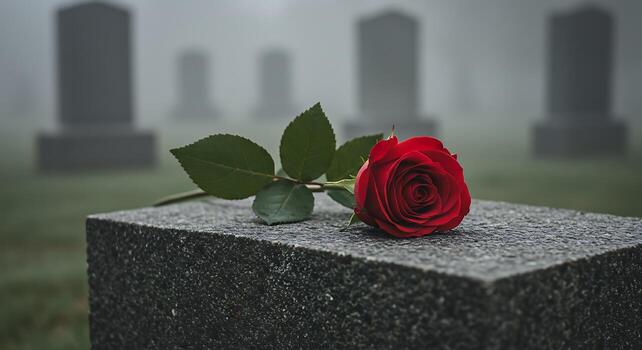
Weeks turned into a month. The “Rose Deliveries,” as Peter began to call them, never faltered. The precision was eerie. If a storm blew through at night, the rose would be found the next morning, pristine and untouched by the wind.
Curiosity, fueled by the vacuum of their grief, turned into an obsession. They checked with the local florists; no one had an order for Michael Bennett’s grave. They asked the groundskeepers; no one had seen a soul near that plot before 9:00 AM.
“Someone is watching us,” Peter said one night, pacing the kitchen. “Someone knows exactly when we come and when the flowers fade. I need to see their face, Mary. I need to know why they’re doing this.”
The Midnight Installation
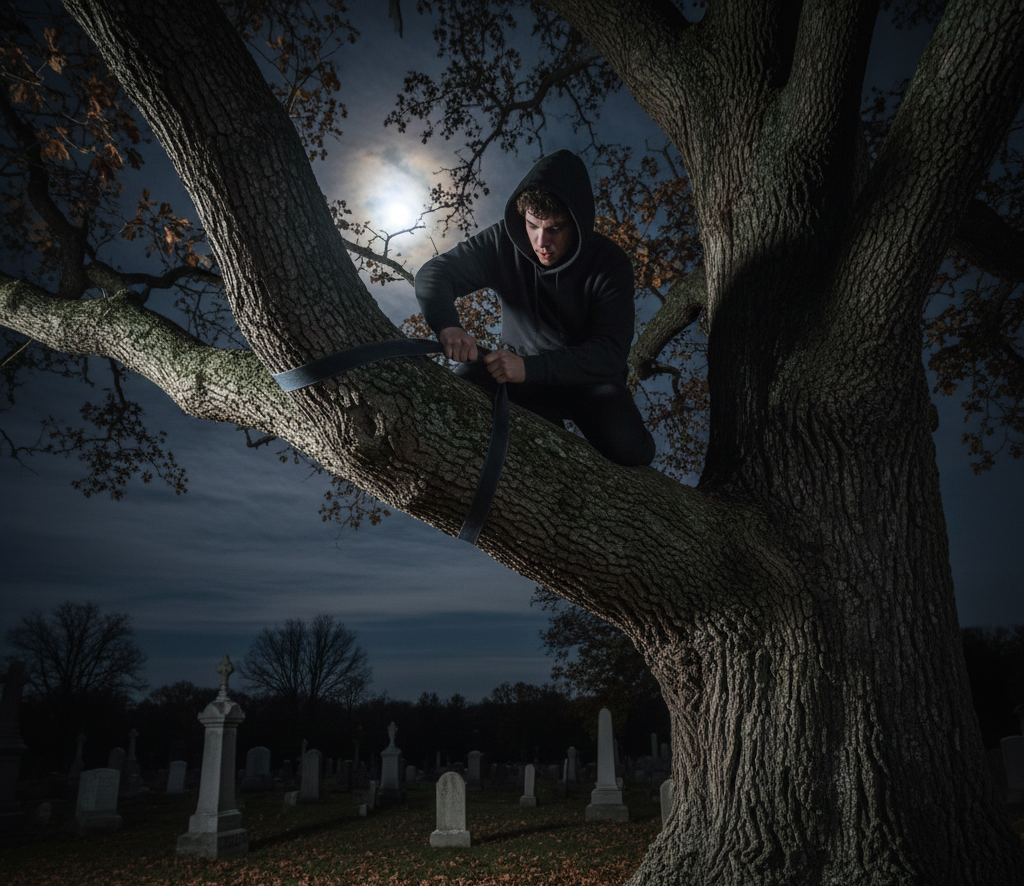
Against the cemetery’s strict “No Surveillance” policy, Peter purchased a high-end, weather-proof trail camera used by hunters. It was camouflaged with bark-like textures and possessed powerful infrared night vision.
In the dead of night, Peter returned to the cemetery alone. He felt like a criminal, his heart hammering against his ribs as he climbed a gnarled oak tree thirty feet from Michael’s resting place. He strapped the camera to a sturdy branch, angling the lens toward the headstone. He told Mary the next morning, and for the first time in months, a spark of something other than sadness—a flicker of purpose—showed in her eyes.
The Confiscation
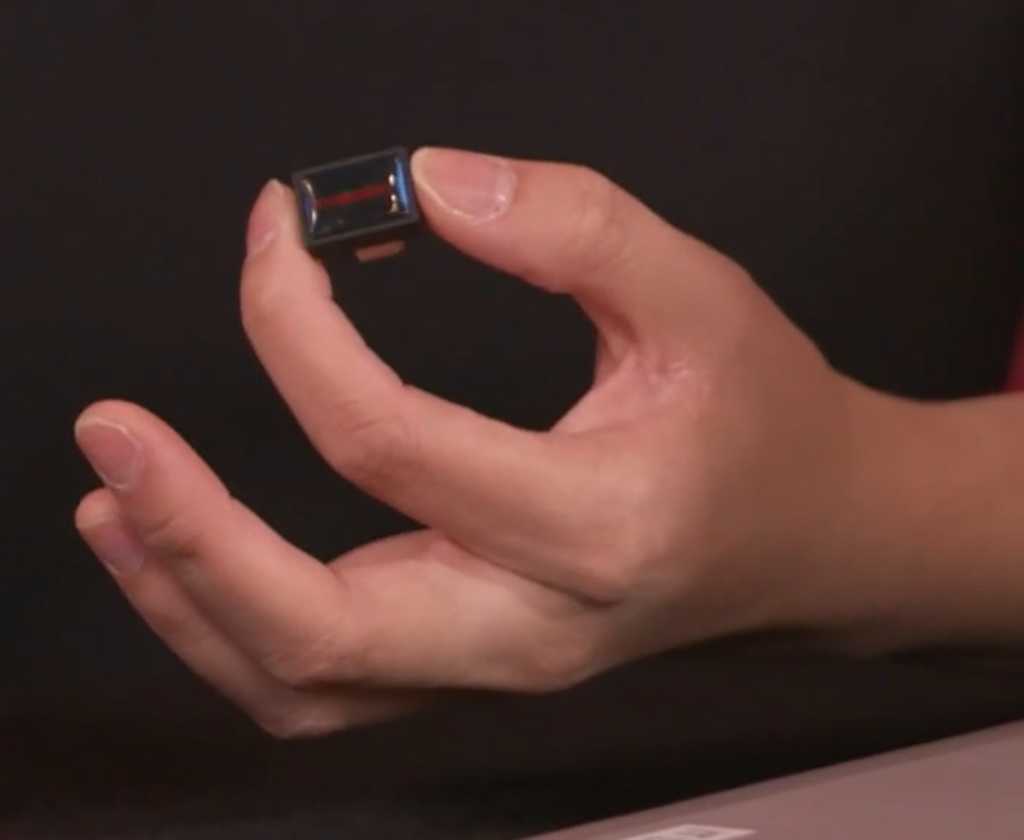
For ten days, they waited. Peter didn’t want to risk being caught by retrieving the memory card too early. But on the eleventh day, a phone call shattered their plan. It was Sarah, the cemetery supervisor.
“Peter, I need you and Mary to come to the office,” she said, her voice uncharacteristically soft. “A groundskeeper found a device in the North Woods oak. We’ve… had to take it down.”
When they arrived, the camera sat on Sarah’s desk. Peter began to apologize, fearing a ban or a fine, but Sarah held up a hand. “I should delete this, Peter. It’s a massive liability. But I watched the footage from two nights ago.” She paused, her eyes shimmering with unshed tears. She slid a small USB drive across the desk. “I think Michael wanted you to see this. Don’t tell the board I gave it to you.”
The Woman in the Fog
They didn’t speak a word during the drive home. Inside, Peter plugged the USB into their laptop while Mary sat on the edge of her seat, clutching a tissue.
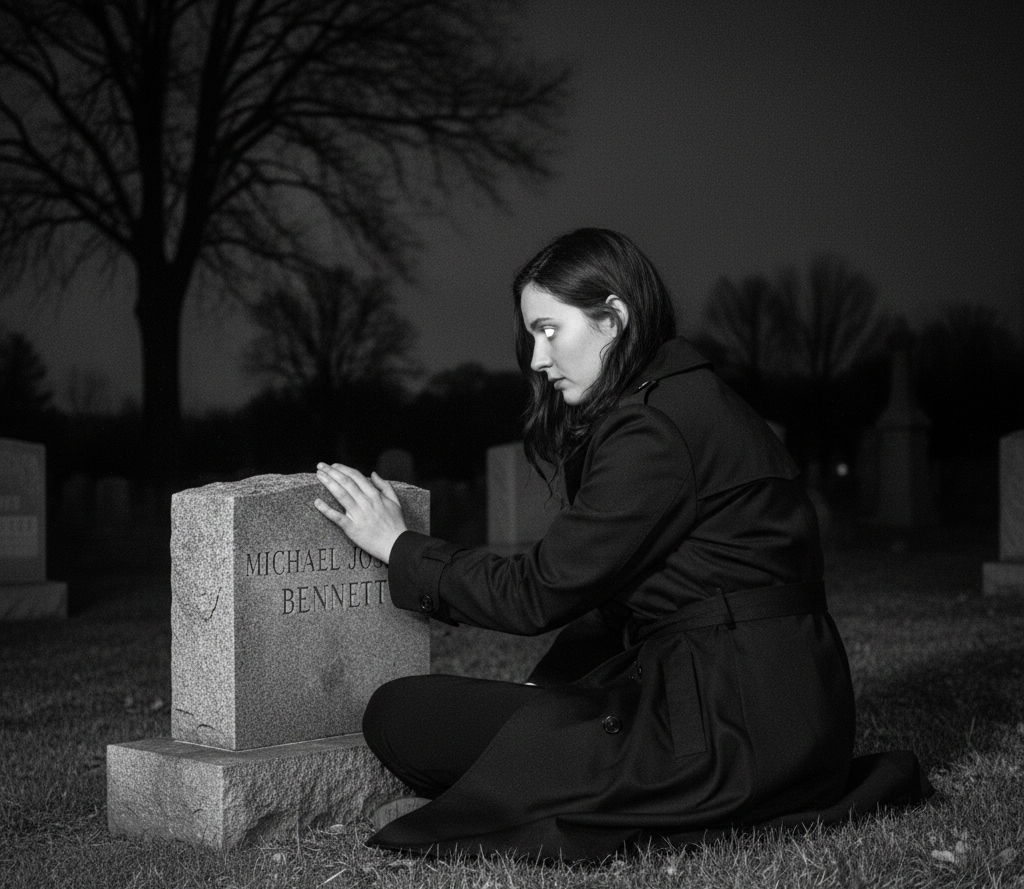
The footage was eerie—silvery, glowing shapes moving in the night. At 3:44 AM, a figure drifted into the frame. It was a woman wearing a heavy, ankle-length black coat and a wide-brimmed hat. She walked with a slight limp, a detail that made Mary gasp.
The woman reached the grave and didn’t just leave a flower. She sat down in the dirt. She took off her hat, revealing hair that was prematurely grey but styled in a way that felt hauntingly familiar. She stayed for nearly an hour, her lips moving in a silent conversation with the stone.
The Name They Dared Not Speak

As the woman in the video stood up to leave, she turned slightly toward the camera to adjust her scarf. For three seconds, her face was clear. Mary let out a strangled cry and collapsed back into her chair. “Noah,” she breathed.
Noah was Michael’s older sister. Ten years ago, she had been the “difficult” child—rebellious, angry, and eventually, gone. After a final, explosive argument with Peter, she had run away at seventeen, leaving a note that said, ‘You’ll be happier with just your perfect son.’ They had hired private investigators, filed police reports, and spent years searching, but the trail had gone cold. They had eventually accepted that they had lost one child to the world and, later, one to the grave.
The Pre-Dawn Ambush

They didn’t go to bed. Instead, they drove back to the cemetery at 3:00 AM and parked their car behind a maintenance shed. They sat in the dark, watching Michael’s grave through binoculars.
At 3:55 AM, the dented silver sedan from the video pulled quietly into the service entrance. The woman stepped out. She looked tired, her shoulders hunched against the cold. She held the signature red rose.
As she reached the headstone and knelt to place the flower, Peter and Mary stepped out from behind a large marble mausoleum. “Noah?” Peter’s voice was barely a whisper, but in the silence of the cemetery, it sounded like a thunderclap.
The Harvest of Grief
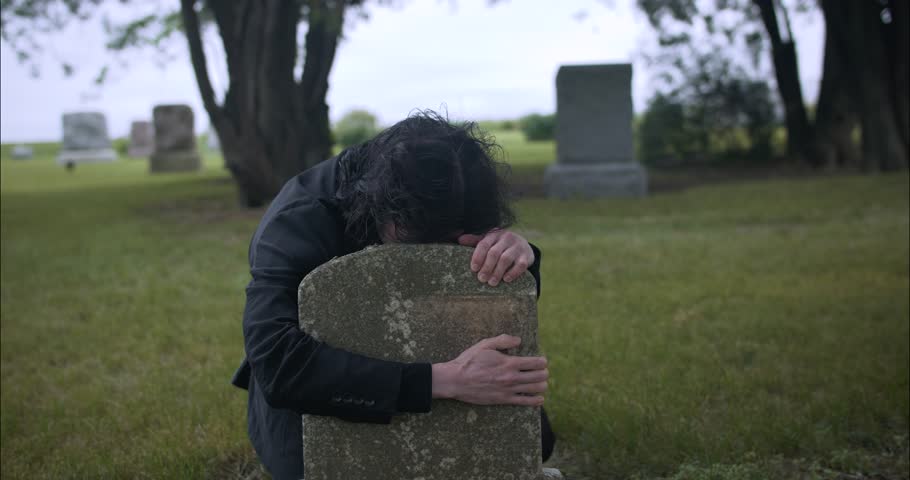
Noah didn’t run. She fell forward, her face buried in her hands. “I’m so sorry,” she sobbed. “I saw his name in the obituary… I didn’t think I could come back. Not after what I said. Not after leaving him.”
She had been living two towns over, working as a night-shift nurse, too ashamed to face the parents she had abandoned but unable to stay away from the brother she had loved. She had been the “Silent Visitor” for months, mourning the brother she never got to make peace with.
Mary reached her first, pulling her daughter up from the cold ground into a fierce, trembling embrace. Peter joined them, his tears wetting Noah’s hair. The red rose lay on the grave, no longer a mystery, but a bridge. Michael was gone, but in the shadow of his loss, the family that had been broken for a decade was finally being knit back together.
Top Articles